
96 AUTO SPA · FRANKLIN, TN
Leather-Look Is Not a Care Instruction: Know Your Seat Material
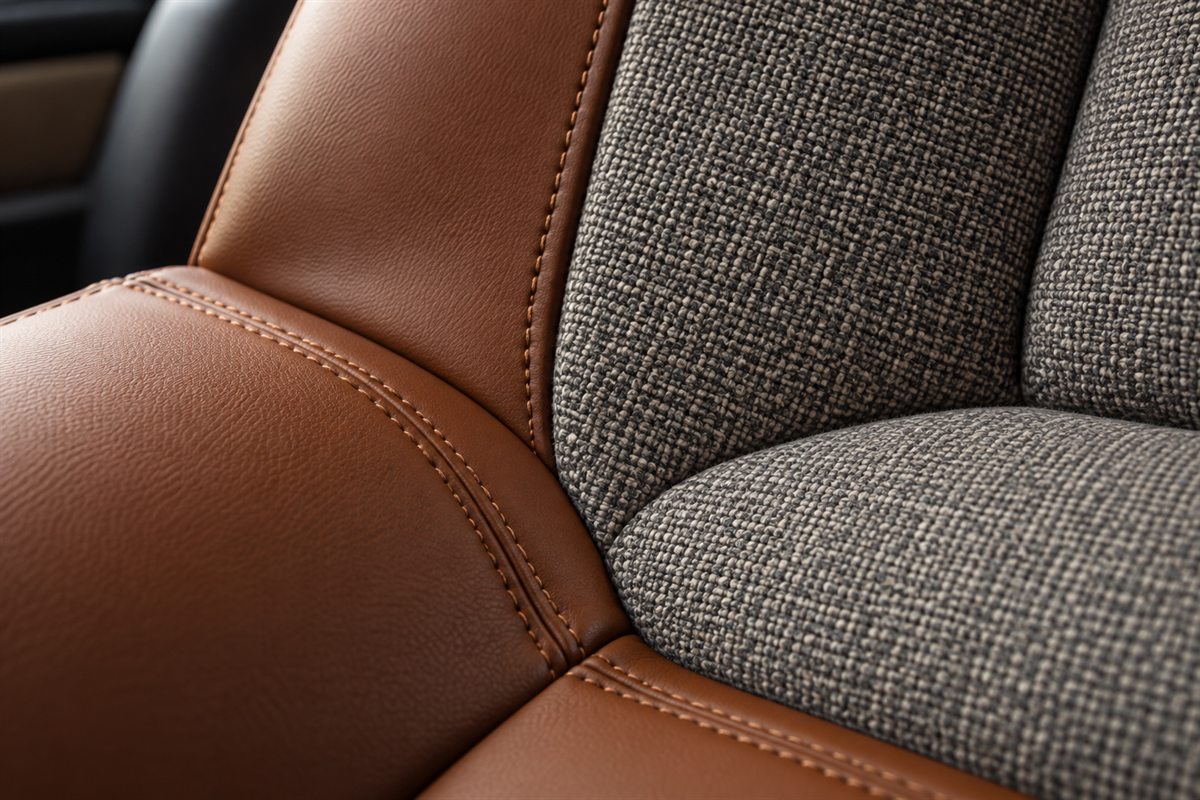
Two seats can look similar in a photograph and need very different care. The word “leather” is often used loosely, while a vehicle may combine several materials across the seat, bolsters and door trim. Before choosing a cleaner or conditioner, identify the surface. Getting that small detail right is more useful than choosing the strongest-looking product on a shelf.
Start with the vehicle specification
Check the owner’s manual, trim specification or manufacturer’s guidance for the actual seating material. If the description is unclear, ask the dealer or manufacturer rather than guessing by feel. Perforations, contrast stitching and soft touch finishes do not tell you everything about the underlying construction. Mention replacement upholstery or repaired panels when booking, since those areas may have different instructions from the original seat.
Do not assume every surface needs conditioner
A product can be called “leather care” and still be unsuitable for a particular finish. Ford’s interior guidance, for example, warns against certain oil, petroleum and silicone-based conditioners on the leather described in that manual. Other manufacturers give different directions for synthetic seating. This is why a universal recommendation is unhelpful. Follow the instructions for the exact surface and product, including a concealed-area test when directed, instead of applying a familiar product to every seat.
Describe wear separately from dirt
Pay attention to where the problem appears. A darker area on a high-contact bolster, a pale crease, peeling material and a spill mark may have different causes. Cleaning is not the same as recoloring, repairing a coating or replacing damaged upholstery. Show the team the areas you notice in daylight and explain whether the appearance changes after a wipe. That information helps them distinguish a reasonable cleaning goal from work that needs a specialist repair conversation.
Keep the maintenance goal simple
A clean, comfortable surface is a better target than a glossy or heavily scented one. Remove loose items that rub against the seat, deal with marks using the approved method and avoid transferring unidentified products from clothing or accessories onto the upholstery. Keep the product packaging if you have already treated the seat. At your next detail, ask what maintenance makes sense for your material rather than copying a routine designed for a completely different car.
At collection, ask how the surface should look and feel after it has fully dried. That gives you a useful reference for future care and helps separate a cleaning residue concern from the material’s normal texture or finish.
Your next step
Identify the surface, read the correct instructions and separate cleaning from repair. The best care decision begins with the material, not its appearance.
Planning a deeper refresh? Explore 96 Auto Spa interior detailing and tell us about your upholstery. We can discuss suitable care and realistic expectations before your appointment.