96 AUTO SPA · FRANKLIN, TN
Swirl Marks and Paint Correction: Set a Realistic Goal
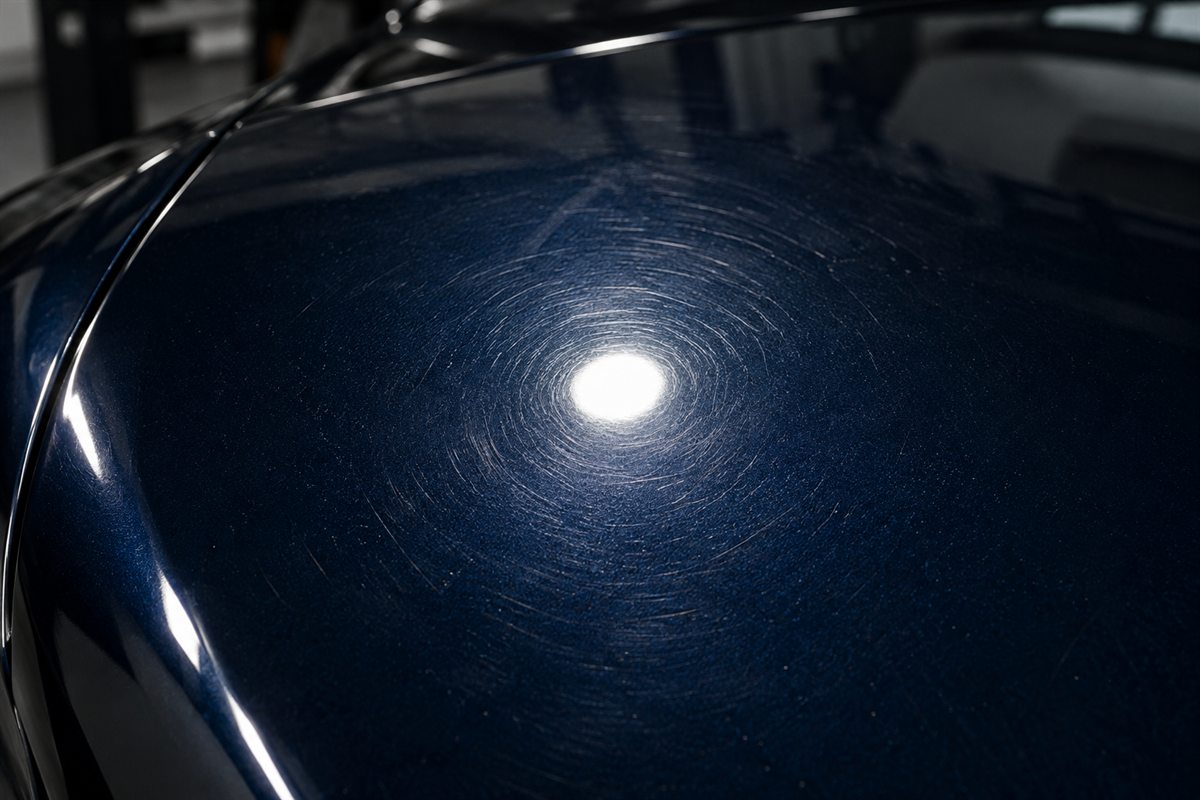
Fine marks that seem to appear around a bright reflection can be frustrating, especially on a dark vehicle. The first step is not deciding how aggressive a polish should be. It is agreeing what you are seeing, what improvement matters to you and what approach is appropriate for the finish. Paint correction should begin with an assessment and a clearly defined goal.
Show the marks in useful conditions
Tell the detailer when the marks are most noticeable. They may stand out in direct sunlight, under a garage light or after a particular wash. Photographing the same panel from a few ordinary viewing angles can help explain the concern. Avoid covering the area with a temporary gloss product immediately before an assessment unless the shop asks you to do so.
Point out individual scratches separately from general light marking. A deep isolated scratch and a patch of fine swirls are not automatically the same job. Say which areas are your priorities and ask the detailer to explain the likely limits before quoting the work.
Distinguish cleaning, polishing and protection
A cleaning process deals with contamination. A correction process addresses appearance defects where appropriate. A protective application is another step. Meguiar’s describes clay treatment and swirl treatment separately in its guidance, which is a useful distinction when comparing packages. Ask for the purpose of each proposed stage rather than assuming every item on a checklist removes scratches.
Choose improvement over an unlimited promise
The condition and history of the finish matter. Tell the shop about previous repairs, polishing or unknown areas of paintwork. Ask whether a test area would help establish an appropriate result. A measured target for a regularly driven vehicle can be more useful than a promise that every visible mark will disappear.
Request a written scope that identifies any areas excluded from correction. If an assessment finds a concern that needs body-shop advice, keep that separate from cosmetic detailing. Good communication gives you a clear choice about the work rather than pressure to authorize an undefined restoration.
Plan how you will maintain the improvement
Discuss your normal washing routine before collection. Ask about suitable tools, how to keep them clean and how to avoid unnecessary contact with a dusty surface. The practical goal is to make your next month of care easier to manage. You do not need to buy a shelf of unfamiliar products to start asking the right questions.
Explore exterior care at 96 Auto Spa and tell our Franklin team what you notice in your paint. You can request an appointment to discuss correction, protection and a realistic finish for the way you drive.
Before authorizing work, ask how the result will be reviewed at collection. Looking at the agreed areas together gives you a chance to understand the improvement, any remaining marks and the recommended care after the appointment.